
Every few months, a new tool arrives. Performance Max. AI Max. Smarter bidding. Each one promises an edge. Marketers rush to learn it. Budgets shift. Dashboards get rebuilt.

Then the next tool arrives, and it starts again.
Here is the pattern few people name. The tools change often. The strategy underneath barely moves. We keep buying new weapons and fighting the same war. And we keep losing it the same way.
The churn is real. More than half of paid-search professionals now say the work is harder than it was two years ago, mostly because the platforms automate more and reveal less, according to the State of PPC 2026 survey. New weapons arrive every quarter. The performance marketing principles underneath them do not.
Think of cricket. The game went from Test to ODI to T20. The bats got heavier. The rules changed. But the fundamentals of batting did not. Watch the ball. Move your feet. Time the shot. A player who owns those wins in any format. A player who only chases the new gear does not.
Performance marketing works the same way. This guide is about the war, not the weapons.
The war and the weapons
Split your work into two layers.
- The weapons are the platforms, features, and settings. They change fast. Performance Max today. Something else next year.
- The war is the strategy. Reach the right person. At the right moment. With the right offer. Then measure it honestly. That has not changed since the first ad was ever sold.
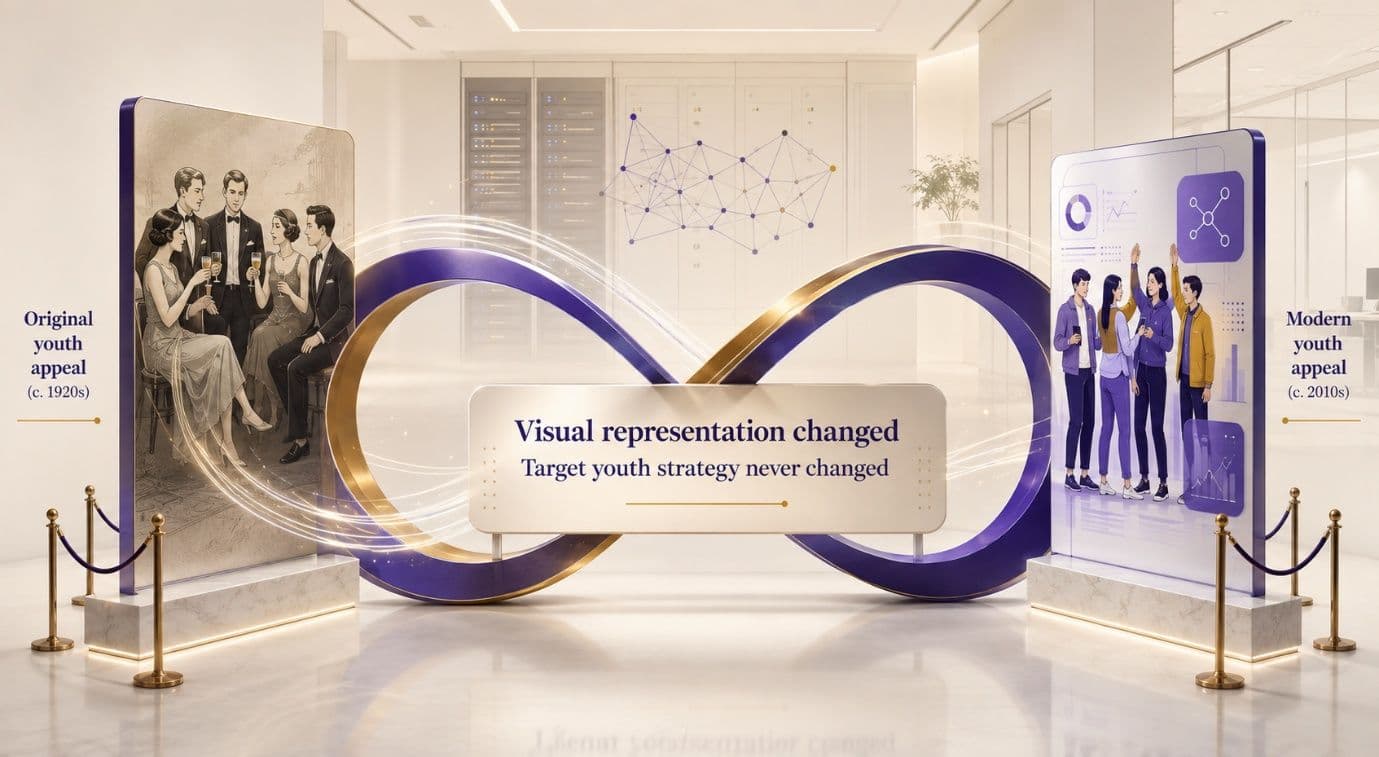
When you confuse the two, you relearn everything with each update. When you separate them, a new tool is just a new way to run an old, proven play.
A new feature is rarely a new war. It is almost always a new weapon.
Below are five performance marketing principles that hold through every update. Each one is old. Each one still decides who wins in 2026.
Principle 1: Win before you spend (Sun Tzu)
Sun Tzu wrote that battles are won before they are fought. The same is true here. Most results are decided at setup, not in the live auction. Your structure, your targeting, your offer, and your tracking are the real levers. Once the campaign is live, you are mostly reacting.
A farmer does not fight the monsoon. She prepares the field before the first rain. The work that decides the harvest happens early.
In 2026 this looks like: a clean campaign structure, tight match types, a sharp offer, and conversion tracking that fires correctly, all in place before you raise the budget.
Principle 2: Protect the downside first (Morgan Housel)
Morgan Housel writes that survival beats optimization. The goal is not to win big on one bet. The goal is to stay in the game long enough for good results to compound.
In paid media, this is budget discipline. One large bet can look bold. It can also drain the account before it teaches you anything. Many smaller, measured bets keep you learning and keep you safe.
In 2026 this looks like: spreading budget across a few tested angles, capping spend on the unproven, and scaling only what has earned it.
Principle 3: Do not reinforce defeat (Sun Tzu)
A weak campaign rarely improves because you feed it more money. Good commanders do not send more troops to a lost position. They move resources to where they are already winning.
In 2026 this looks like: reading performance by day, device, and audience, then pausing what is structurally weak and moving that budget to what works.
Principle 4: People change slower than platforms (Same as Ever)
Interfaces change every year. People do not. We still buy on trust. We still respond to a clear offer. We still fear a loss more than we enjoy a gain. These truths are older than Google Ads and will outlast it.
So the ad account is not where most wins hide. The offer and the message are. A strong channel cannot save a weak offer. A strong offer works on almost any channel.
In 2026 this looks like: spending real effort on the offer and the creative, not only the settings.
Principle 5: The biggest risk is the one you cannot see (Same as Ever)
A river looks calm on the surface. The current that matters runs underneath. Measurement is the same. The numbers on your dashboard feel like the whole truth. The leads you never recorded stay invisible, and they are the ones quietly costing you.
Broken tracking does not send an alert. It just makes good work look bad and bad work look fine.
In 2026 this looks like: checking that tracking fires, that cross-domain data is clean, and that your reports count what actually happened.
The war and the weapons, side by side
| Metric | What never changes | What it looks like in 2026 |
|---|---|---|
| Win before you spend | Battles are won at setup, not mid-fight | Structure, targeting, offer, and tracking fixed before budget goes up |
| Protect the downside | Survival beats optimization | Small tested bets, capped risk, scale only what earns it |
| Do not reinforce defeat | Move resources to strength | Pause weak segments, shift budget to what converts |
| People change slower than platforms | Buyers respond to trust and offers | Effort on offer and creative, not only settings |
| Watch the unseen risk | The hidden number decides the result | Clean tracking, honest attribution, verified data |
How to tell a war from a weapon
All of this rests on one skill: telling the two apart in the moment, when the news is loud and everyone else is reacting. Three quick questions do it.
First, does it change who you are trying to reach, or only how you reach them? A new audience type is a weapon. A whole new kind of buyer is a war. The first is common. The second is rare.
Second, does it change what you promise, or only how you deliver it? A faster landing page is a weapon. A new business model is a war. Almost every tool touches delivery, not the promise.
Third, does it change how you measure success, or only what you press to get there? A new bidding control is a weapon. A shift from counting leads to counting lifetime value is closer to a war, because it changes the scoreboard itself.
Take Performance Max through those three. It changes how you reach people and how you press the buttons. It does not change who you sell to, what you promise, or how you keep score. Two weapons, no war. Your plan holds, and you can test the tool from a place of calm instead of fear.
Before you chase the next tool
When the next feature launches, ask one question first. Is this a new weapon, or a new war?
Almost always, it is a new weapon. That is good news. It means your strategy still holds. You just have a new way to run it. The teams that stay calm through each update are not smarter. They simply know which layer they are standing on.
This is why the series that follows is built the way it is. Each piece takes one enduring principle and shows it inside a live 2026 tactic, from campaign setup to budget allocation to tracking. Read together, they are one argument: master the war, and every new weapon becomes a smaller, calmer decision. You stop starting over with each update. You start compounding.
The One Line to Remember
Learn the war once. Relearn the weapons as often as you need. The first stays with you for a career. The second changes by the season.
Free Download
A one-page "Principles vs Tactics" cheat sheet you can pin above your desk.
Download the Principles vs Tactics cheat sheet (PDF).
Build on the War, Then Fit the Tools
At MagicWorks, we set the strategy first and fit each platform to it. If your campaigns feel like they restart with every update, that is usually a strategy gap, not a tool gap.
Anjali Kalaskar writes on performance marketing for MagicWorks IT Solutions, applying timeless strategy principles to live paid-media tactics.